Salary guide · Kenya
Casual worker pay in Kenya 2026: official daily rates and when you become monthly paid
A general labourer must get at least KES 868.44 a day in the cities, KES 797.80 in former municipalities and KES 487.94 elsewhere. Work about a month without a break and the law treats you as monthly paid.
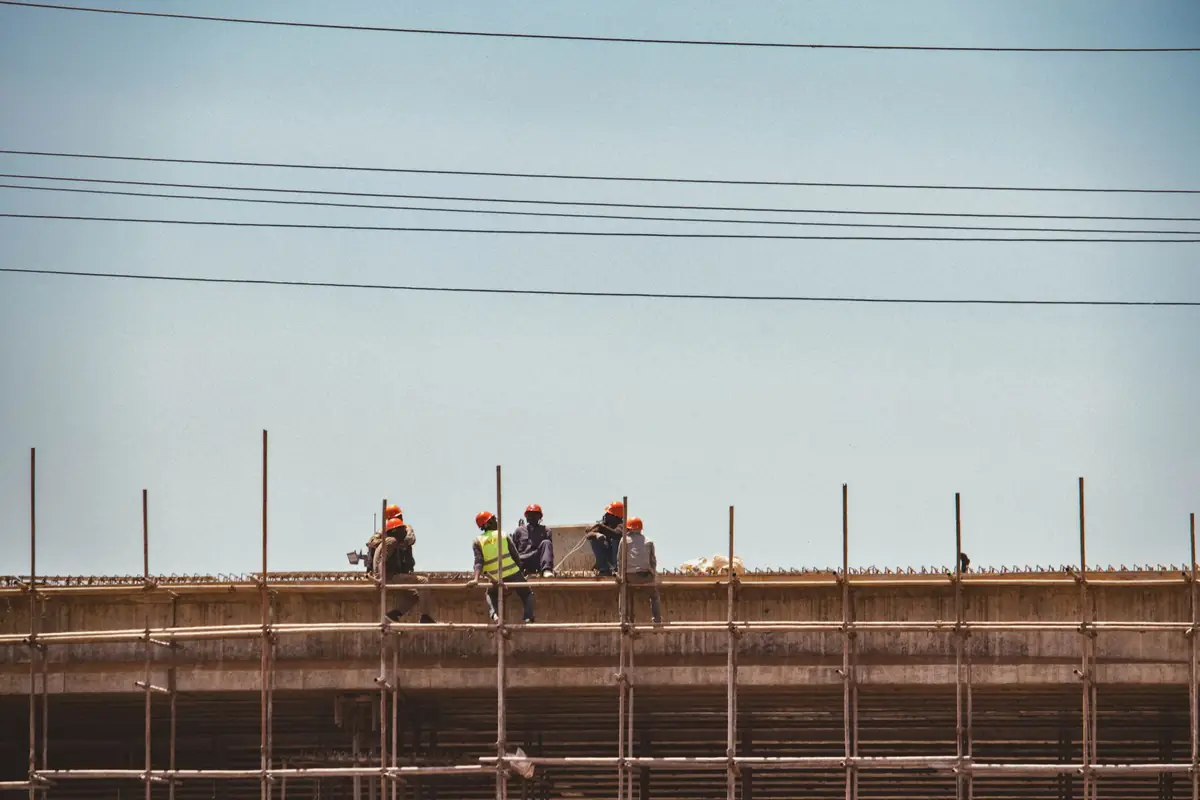
The legal minimum for a casual general labourer is KES 868.44 a day in Nairobi, Mombasa, Kisumu, Nakuru and Eldoret, KES 797.80 in former municipalities and KES 487.94 in other areas. These rates have applied since 1 May 2026. If your casual days add up to a month, the Employment Act treats your job as monthly paid, with 28 days' notice. The table shows other common jobs.
| Job | Nairobi, Mombasa, Kisumu, Nakuru, Eldoret | Former municipalities, Mavoko, Ruiru, Limuru | All other areas |
|---|---|---|---|
| General labourer, cleaner, sweeper, gardener, children's ayah, house servant, day watchman and messenger | 868.44 a day, 161.34 an hour | 797.80 a day, 147.45 an hour | 487.94 a day, 90.17 an hour |
| Night watchman | 966.02 a day, 181.64 an hour | 900.31 a day, 165.26 an hour | 554.07 a day, 105.90 an hour |
| Miner, stone cutter, turnboy, waiter, cook, logger and line cutter | 936.88 a day, 175.46 an hour | 828.55 a day, 149.47 an hour | 549.91 a day, 100.56 an hour |
| Machine attendant, sawmill sawyer, machine assistant, mass production machinist, shoe cutter, bakery worker, bakery assistant and tailor's assistant | 982.70 a day, 188.47 an hour | 920.44 a day, 166.86 an hour | 745.15 a day, 138.66 an hour |
| Saw doctor and building caretaker | 1,802.29 a day, 336.69 an hour | 1,682.74 a day, 313.54 an hour | 1,564.97 a day, 291.10 an hour |
| Ungraded artisan | 1,171.35 a day, 219.28 an hour | 1,080.47 a day, 199.98 an hour | 892.89 a day, 166.15 an hour |
| Printing, bakery and plywood machine operator; sawmill dresser; shop assistant; machine tool operator; dough maker; table hand baker or confectioner; copy typist; car and light van driver | 1,170.46 a day, 219.28 an hour | 1,080.47 a day, 199.98 an hour | 892.89 a day, 165.14 an hour |
| Farm work: Unskilled employee | 386.24 a day | 386.24 a day | 386.24 a day |
From Legal Notices 108 and 109 of 2026, gazetted on 26 June and in force from 1 May 2026. Daily and hourly rates in the General Order include housing. Farm rates are consolidated, and the farm schedule publishes no hourly rate. These are floors, not typical pay.
Who counts as a casual worker?
Section 2 of the Employment Act defines a casual employee as someone paid at the end of each day and engaged for no more than 24 hours at a time. Your pay is due at the end of that day (section 18). It's the way you're engaged that decides this, not the word on a form. If you're called casual but paid monthly, ask for your terms in writing.
What your days should come to
City, 6 days: 868.44 x 6 = 5,210.64
City, 26 days: 868.44 x 26 = 22,579.44
Other areas, 6 days: 487.94 x 6 = 2,927.64
City, a 5 hour job paid by the hour: 161.34 x 5 = 806.70
Don't work out one rate from another. The gazette prints the monthly, daily and hourly figures as separate entries, and the monthly rate excludes housing. Check the row for your job and the area where you actually work. If your pay is lower, take the gazette row to a labour officer.
When a casual job becomes monthly paid
Section 37 says your contract is treated as a monthly one in either of these cases:
- You work a period, or a number of continuous working days, that adds up to at least one month.
- You do work that can't reasonably be finished within a period or number of working days adding up to three months or more.
When counting the days, you're deemed to get one paid rest day after six days of work. That rest day and any public holiday in the period both count as continuous days (section 37(2)).
From then on, section 35(1)(c) applies, so the job ends only with 28 days' written notice or pay instead. If you work continuously for two months or more from your first day, you're also entitled to the terms you'd have had as a regular employee under the Act (section 37(3)), such as paid leave.
A worked example
Say you start on a building site on a Monday as a casual, work six days a week and get paid each evening. Your rest days count, so about a month later section 37 applies, even though nobody gave you a new contract. If the site lets you go at the end of a day after that, you can argue you were owed 28 days' notice or pay instead. Two months in, you can also argue for regular terms.
What to do if you're underpaid or let go
- Keep proof of your days: M-Pesa messages, a muster roll photo, a site pass or messages from your supervisor.
- Write down the dates, the site, your job and your supervisor's name while you still remember them.
- File a complaint with a labour officer. Section 37(5) gives a casual employee that right.
- The Employment and Labour Relations Court can change your terms to fit the Act (section 37(4)).
Nobody should charge you for a casual job. If someone at a gate wants money to put you on the list, don't pay. This page is general information, not legal advice.
Frequently asked questions
What is the minimum wage for casual workers in Kenya per day in 2026?
For a general labourer or cleaner: KES 868.44 in the five cities, KES 797.80 in former municipalities, Mavoko, Ruiru and Limuru, and KES 487.94 in other areas. An unskilled farm worker's rate is KES 386.24 a day.
What is the minimum wage in Kenya per hour?
For a general labourer: KES 161.34 in the five cities, KES 147.45 in former municipalities and KES 90.17 elsewhere. The table lists other jobs.
How long can someone stay a casual worker in Kenya?
If your days add up to the equivalent of a month or more, section 37 of the Employment Act treats the job as monthly paid.
Does a casual worker get notice in Kenya?
A truly daily contract can end at the close of any day. Once section 37 applies, you're owed 28 days' written notice or pay instead.
Sources
Checked 2 November 2026. Each figure retains the period and scope of its source.
Related jobs and guidance
More pay guides
- Cleaner minimum wage in Kenya
- Net salary of 30,000, 50,000 and 60,000 gross in Kenya: 2026 table
- Job group salary in Kenya 2026: job group J, K, L, N and CSG scales from official adverts
- Average salary in Kenya? What job adverts actually state per month
- Teacher salary in Kenya: verified TSC grade examples